
Watching over the previous fifteen months bits & pieces of a horrifying, never-ending zombie movie forces one to re-contextualize the world in which we live. Assuming it’s even possible to do so, let’s make this experience more palatable by taking a culinary approach to help explain what I mean.
But first, a brief tangent: The challenge in this post lies in nudging those entrenched in post-colonial nationalism to engage with the ‘mandi’ perspective—no easy feat. If you’ve coasted through the past year+ dismissing critiques of the occupation’s atrocities, it’s time to audit your media diet. Let’s face it, mass media is the greasy stuff—necessary in moderation but cluttering your mental arteries like bad cholesterol does in our real arteries. What are the leaner bits? That’s alternative media: akin to a healthy mixture of salads and veggies. Some of the greens taste odd at first but ultimately surprise you; others are initially bitter yet packed with nutrients, demanding patience and plenty of chewing to fully digest. Stick with it, and slowly you’ll graduate to a high-protein, less fatty media: histories or fiction penned by non-Western authors. What’s the holy grail from a media diet standpoint? In short, it is all about moderation to help manage perspectives. No single lens dominates; balance is key in this sprawling media buffet.
Ok, pardon the digression…
To simplify (but not over-simplify), as I mentioned above, I’ve framed this moment in history through a culinary lens: the world as a spread of food served on either a Western-style plate or a West-Asian mandi.
Definitions:
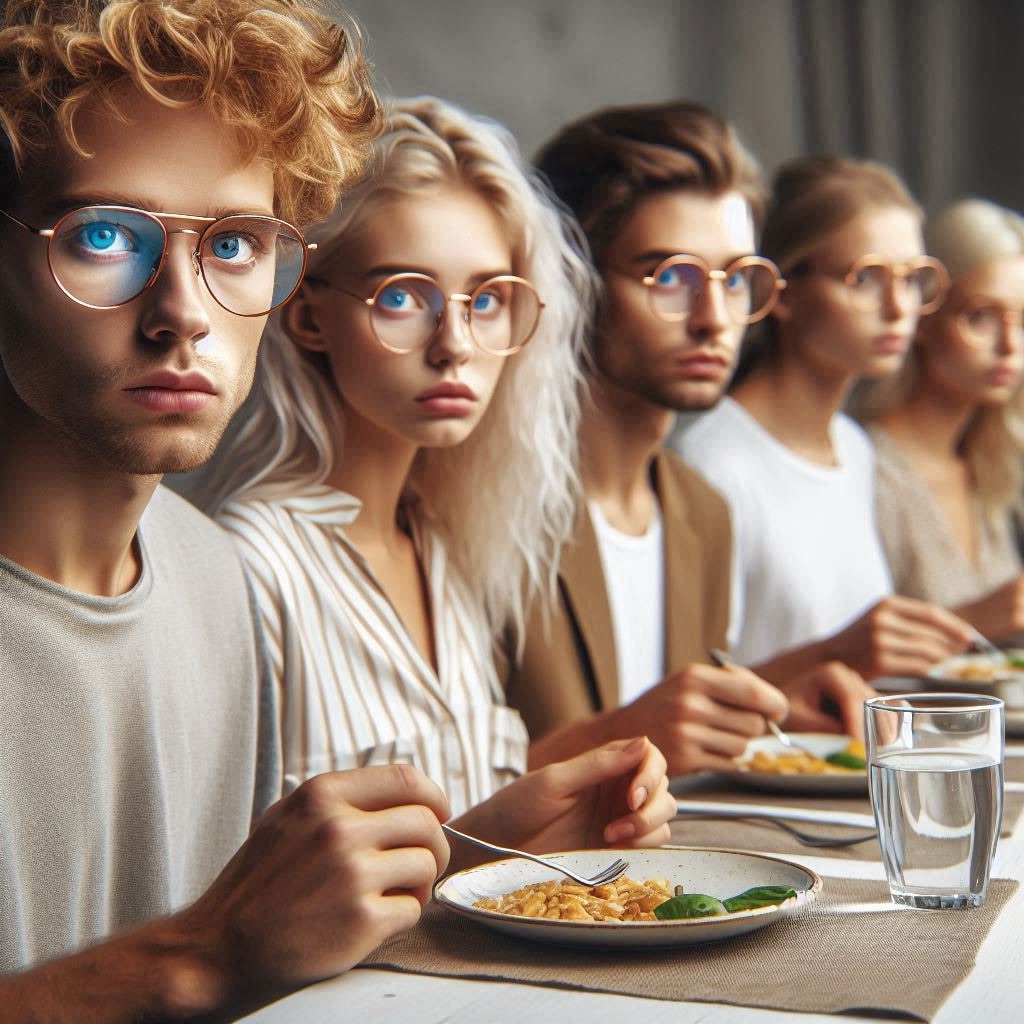
The Western plate is individualistic—neatly partitioned into sections, each food isolated, consumed solo with utensils. The plate is yours, a private domain. No one touches it without your permission—or else! The relationship to food here is mediated by tools (forks, knives, etc.), and the ingredients often hail from distant lands so the food can sometimes be thrown away or unappreciated if it fails to meet expectations. Now, apply this mindset to society, and you unravel liberal capitalism’s paradoxes: hyper-individualism, hoarded property, militarized borders, and dangerous levels of inequality.
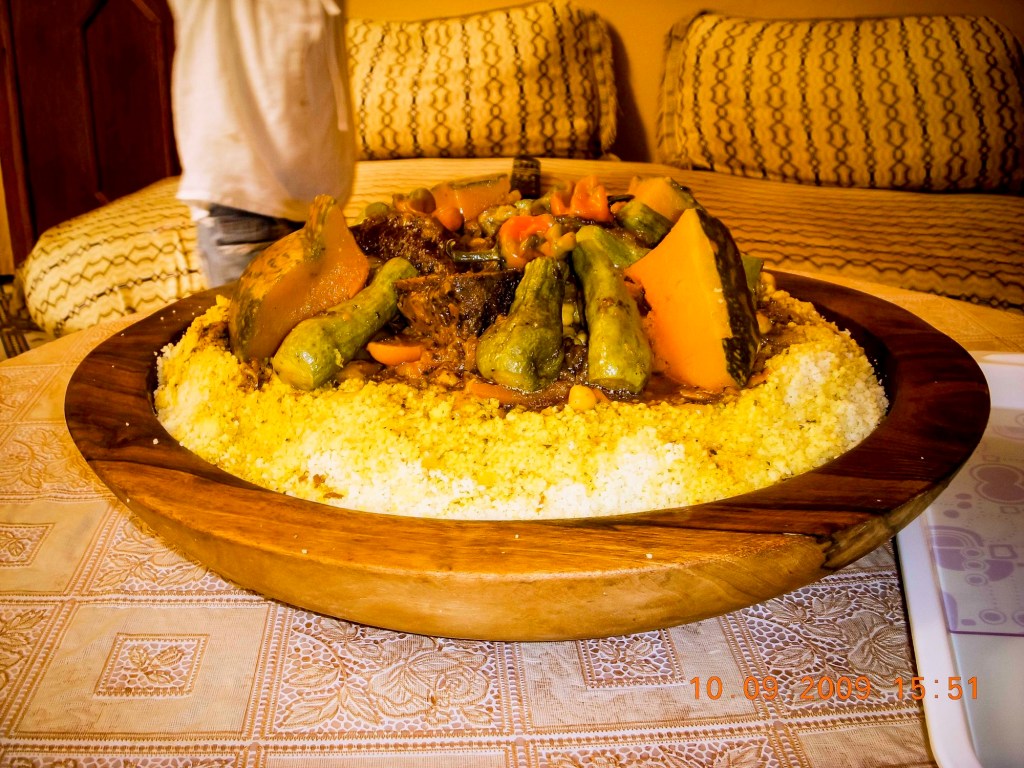
The (West-Asian) mandi, rooted in Yemen, gets a more communal treatment. Meat & veggies are generously piled on top of a healthy layer of rice. This platter is one that is shared, and more importantly, eaten by hand. Portions blur; taking more than your share is taboo. The connection is tactile—food is mostly local, with many fingers digging into the same (oversized) dish simultaneously. Those gathered around a mandi are bound by mutual care; one person’s actions ripple across the platter. If one person were to eat more than their share, his companions across the mandi will be required to eat less than their share, possibly leaving the dinner hungry in the process.
Your reaction to these descriptions likely reveals where you land on the media diet spectrum that was referenced above.
The contrast isn’t just about plating—it’s two starkly different worlds. The Western plate fixates on control and autonomy. The mandi demands collective awareness. One breeds isolation, the other interdependence. You could dissect endless examples, but the core idea is clear: how we ‘consume’ shapes how we coexist.
Ultimately, this extends far beyond how we consume food. It speaks to how we choose to coexist in a world that upholds humanity and justice while also recognizing the inherent dignity of every individual. The world in which we reside seems to be missing a few of the flavors the old world enjoyed before the creation of national borders…and individualized plates.
 Faisaling.com
Leave a comment