
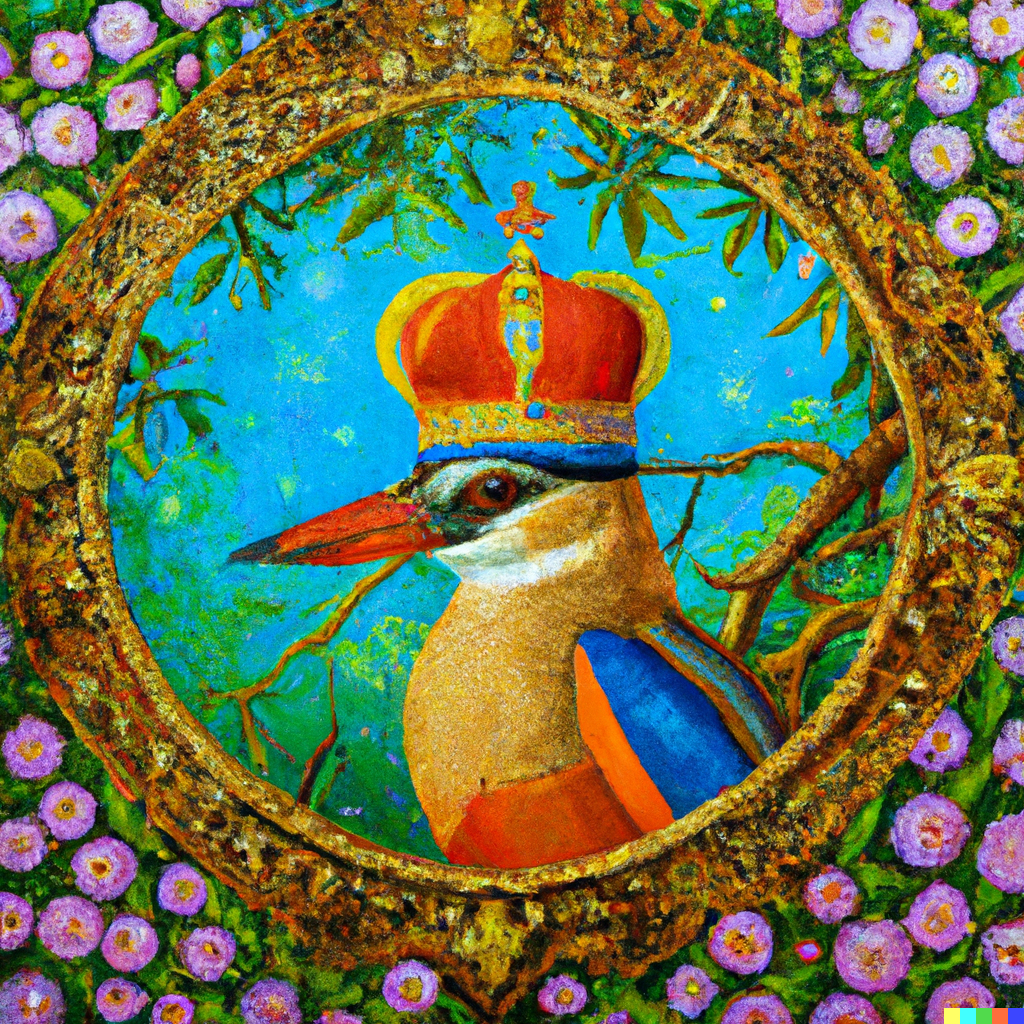
Not sure if any of you have had the opportunity to play around with OpenAI’s other-other laboratory project, but DALL-E 2 is worth the effort.
I don’t want to jump the gun with excessive praises, but in all honesty, I kind of do. I want to say that the capabilities found in this deep learning technology are akin to the a transformational new technology up there with the printing press or photography, but most of you reading this will think I’m smoking crack.
Of course, don’t take my word for it. When you test it out for yourself, you’ll see what I’m talking about.
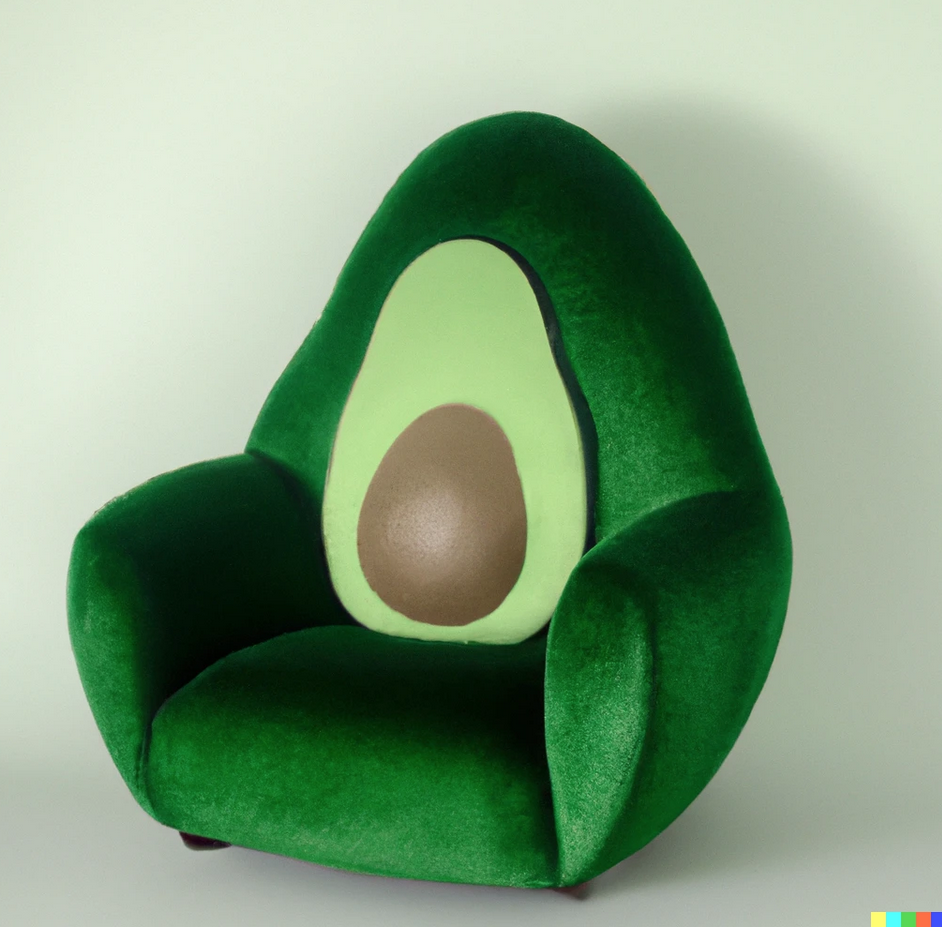
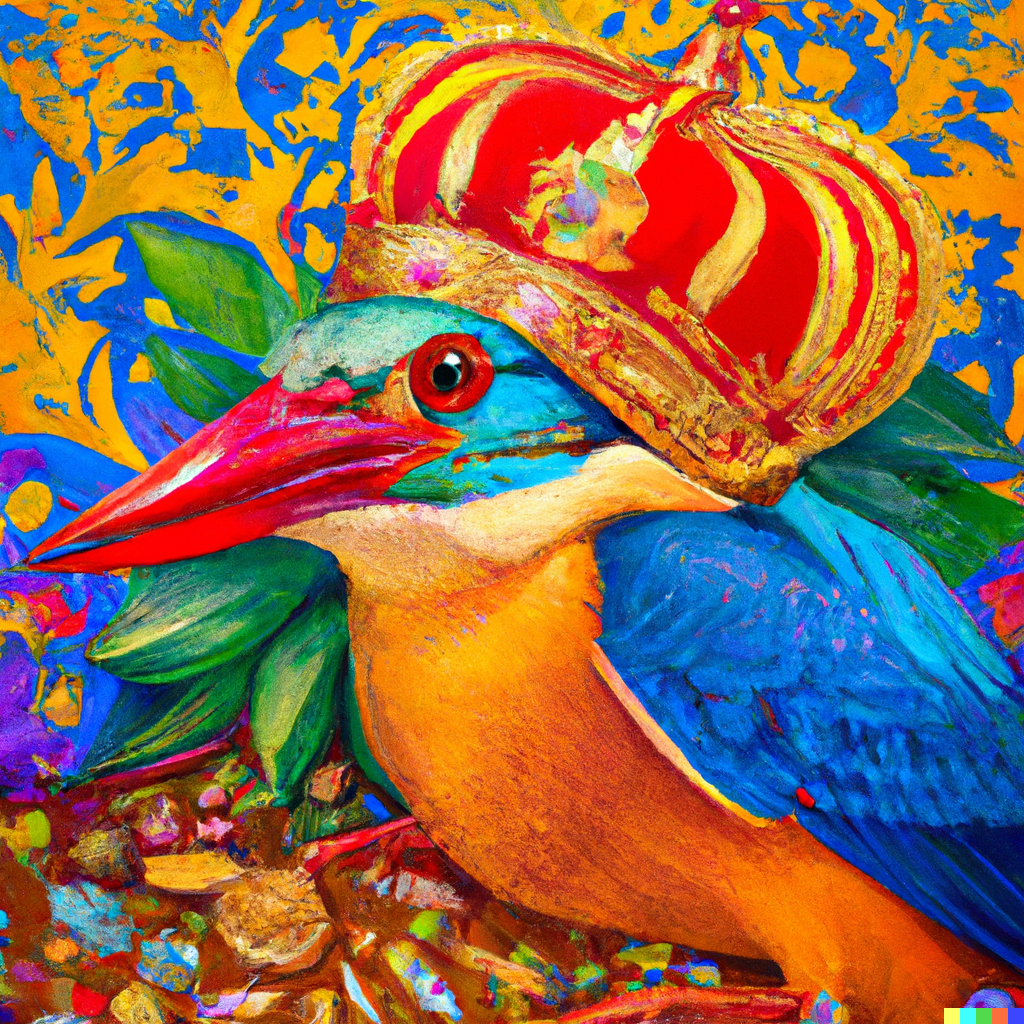
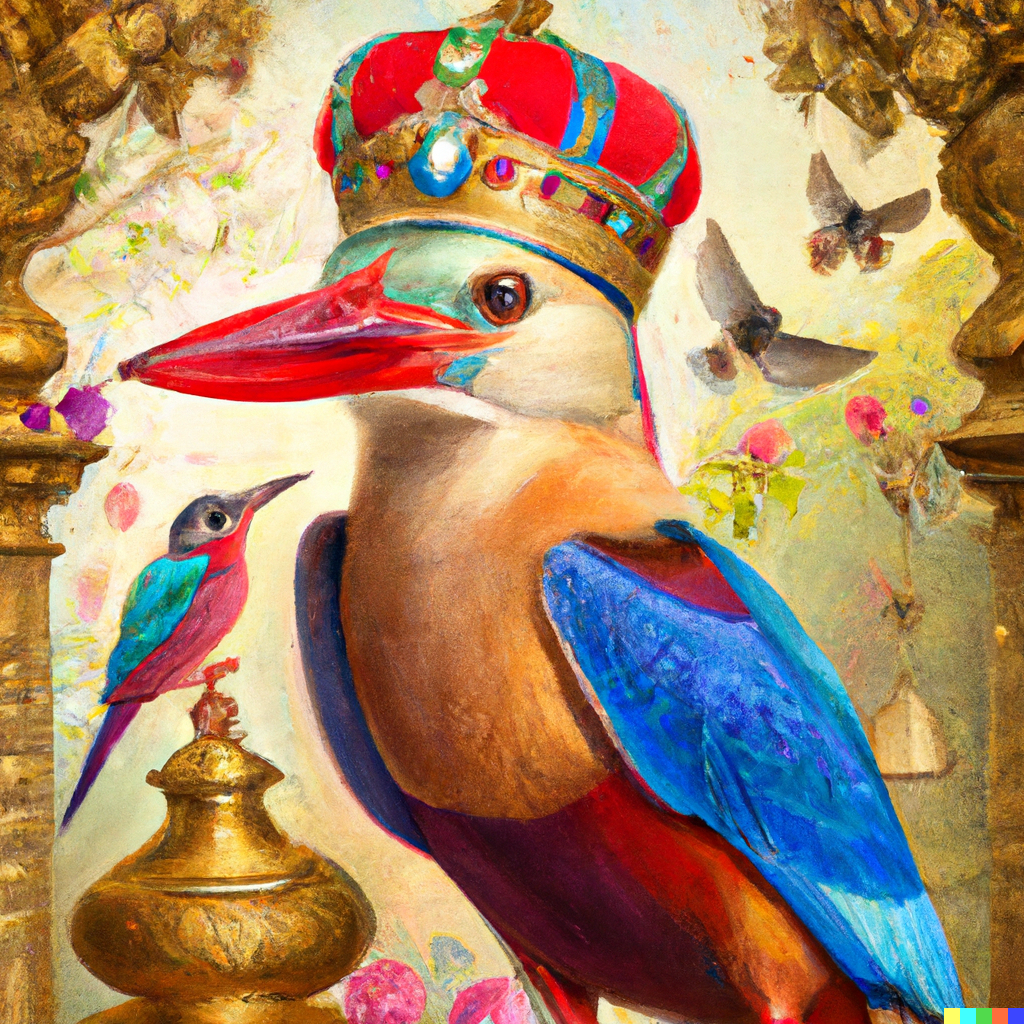
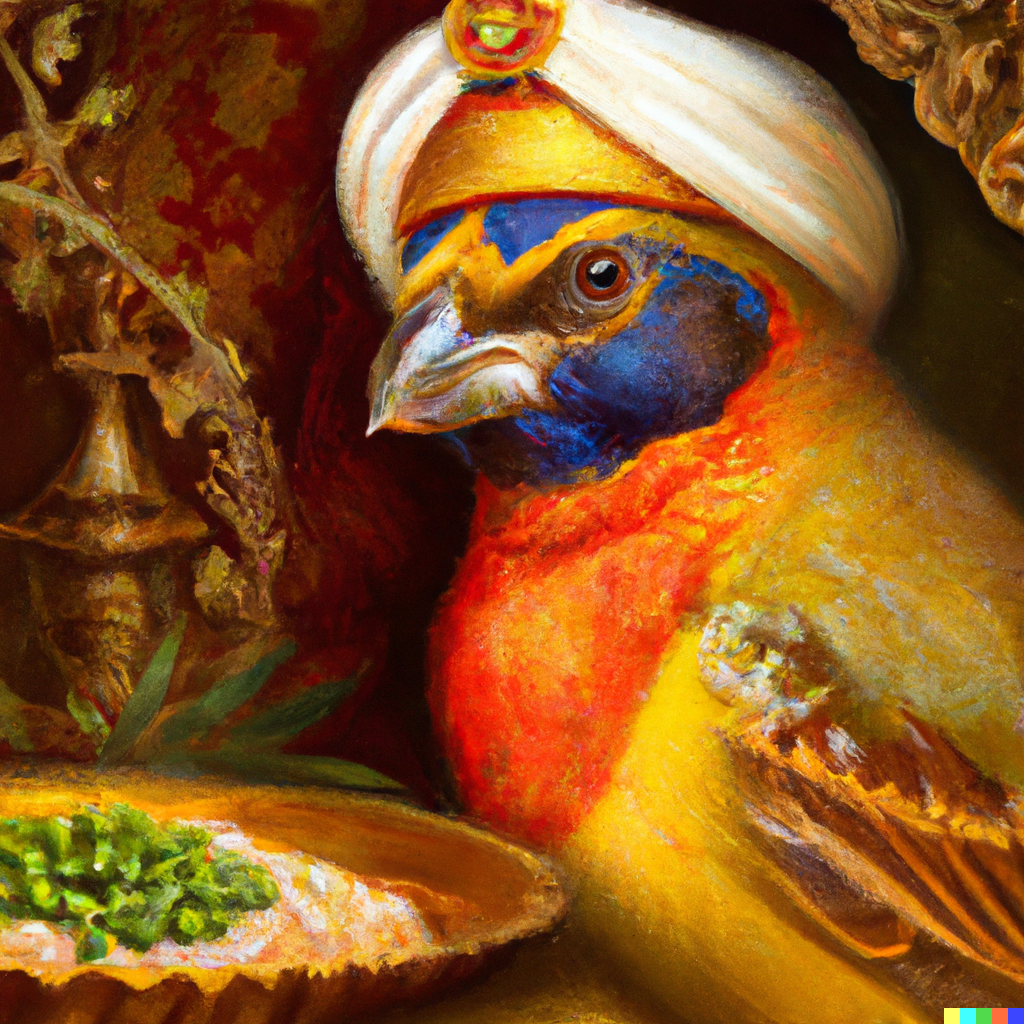
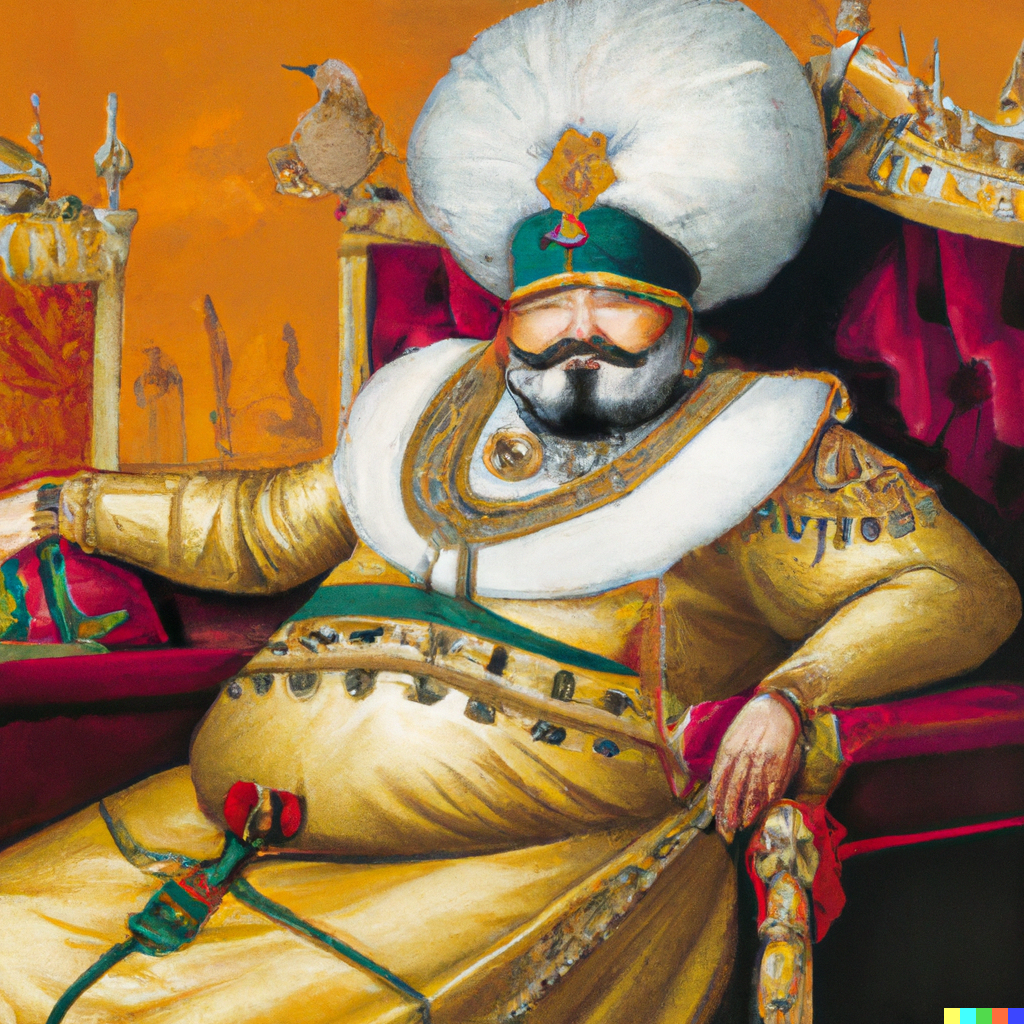
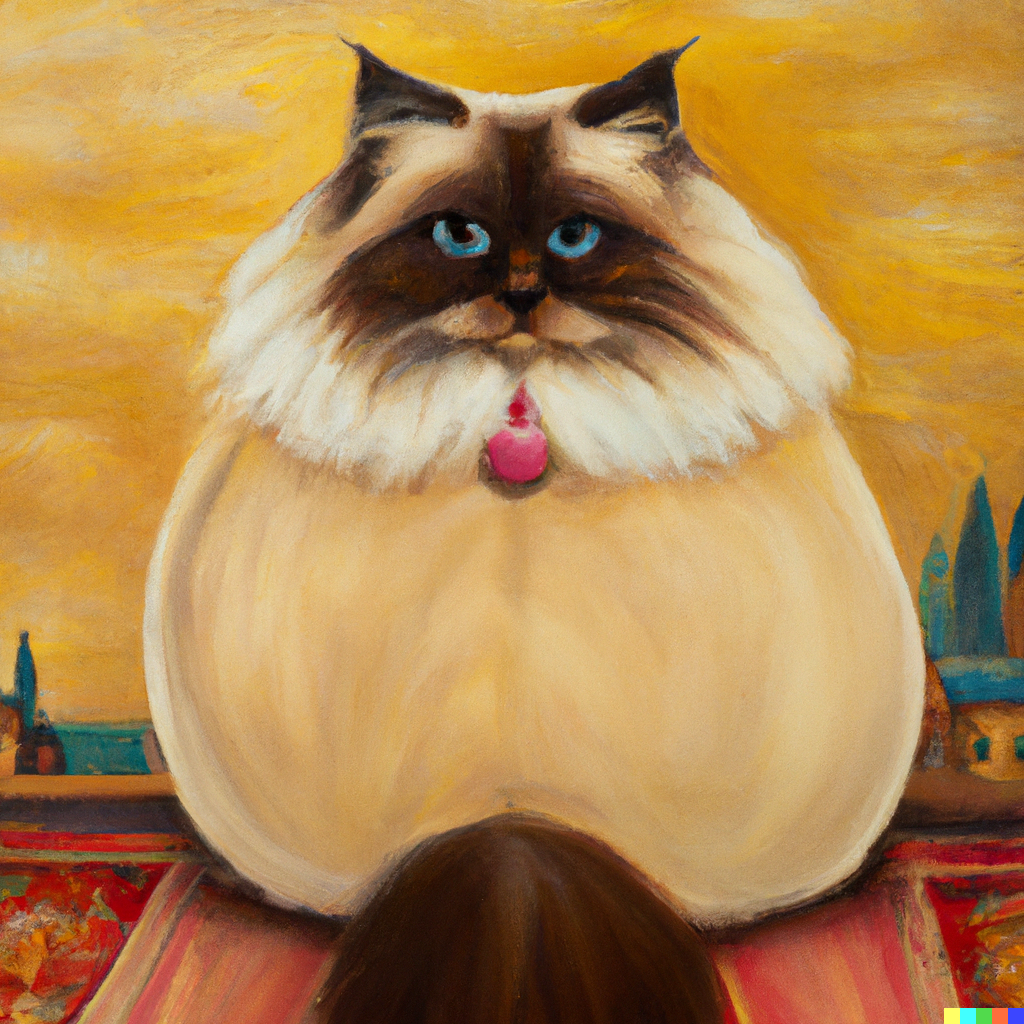
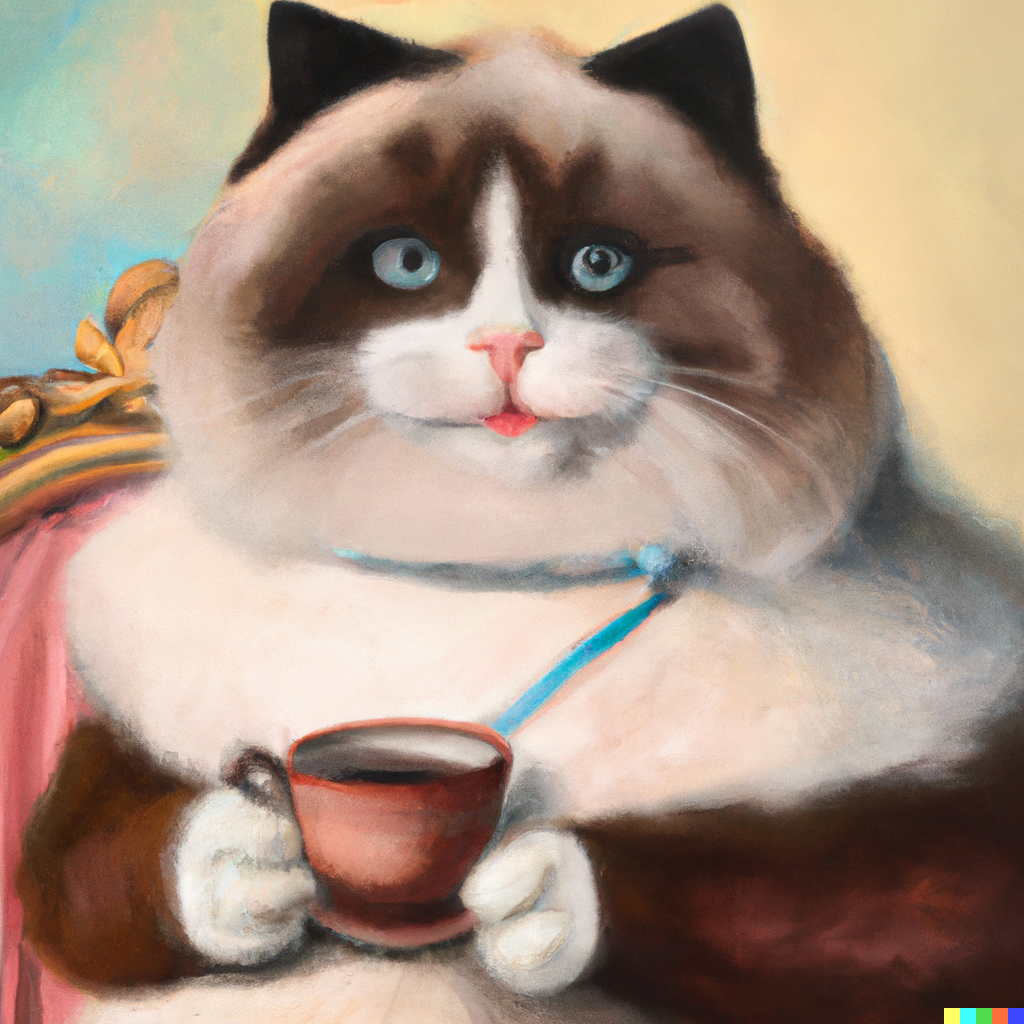
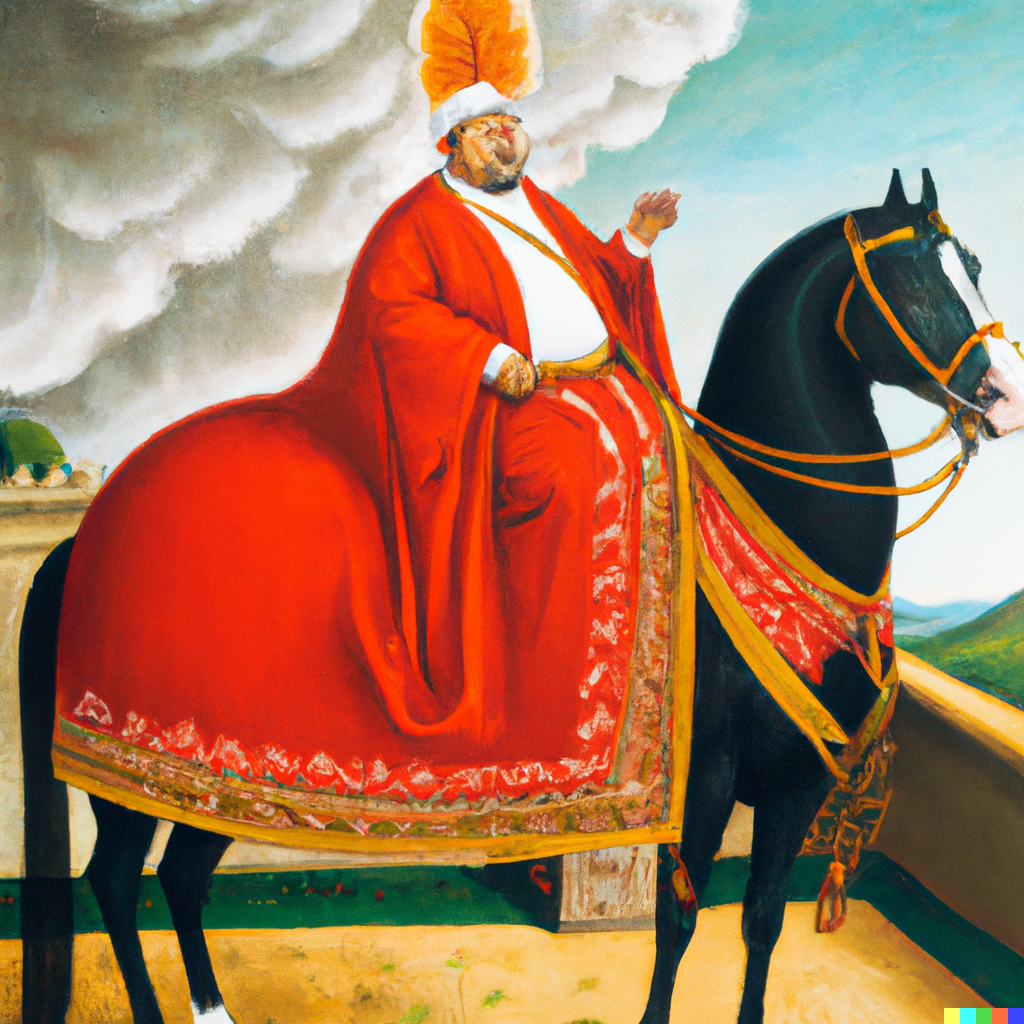
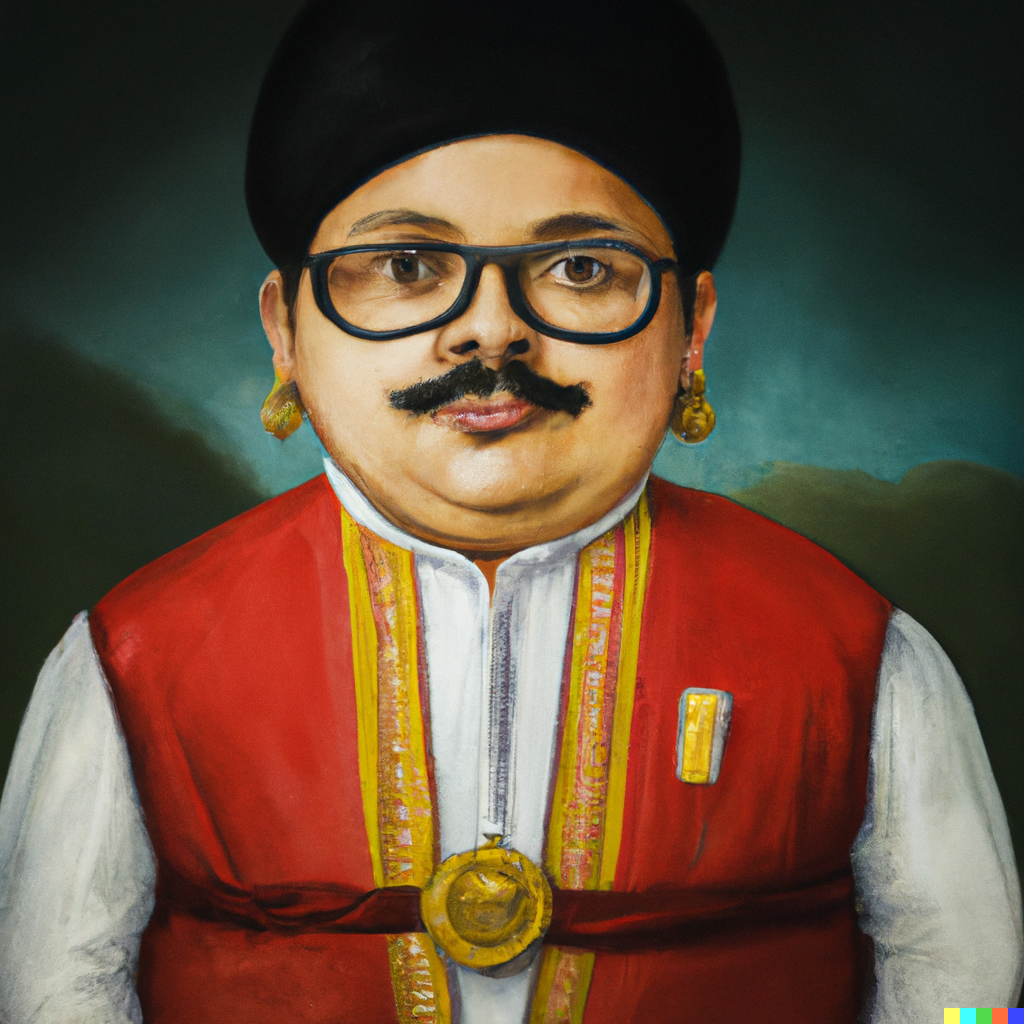
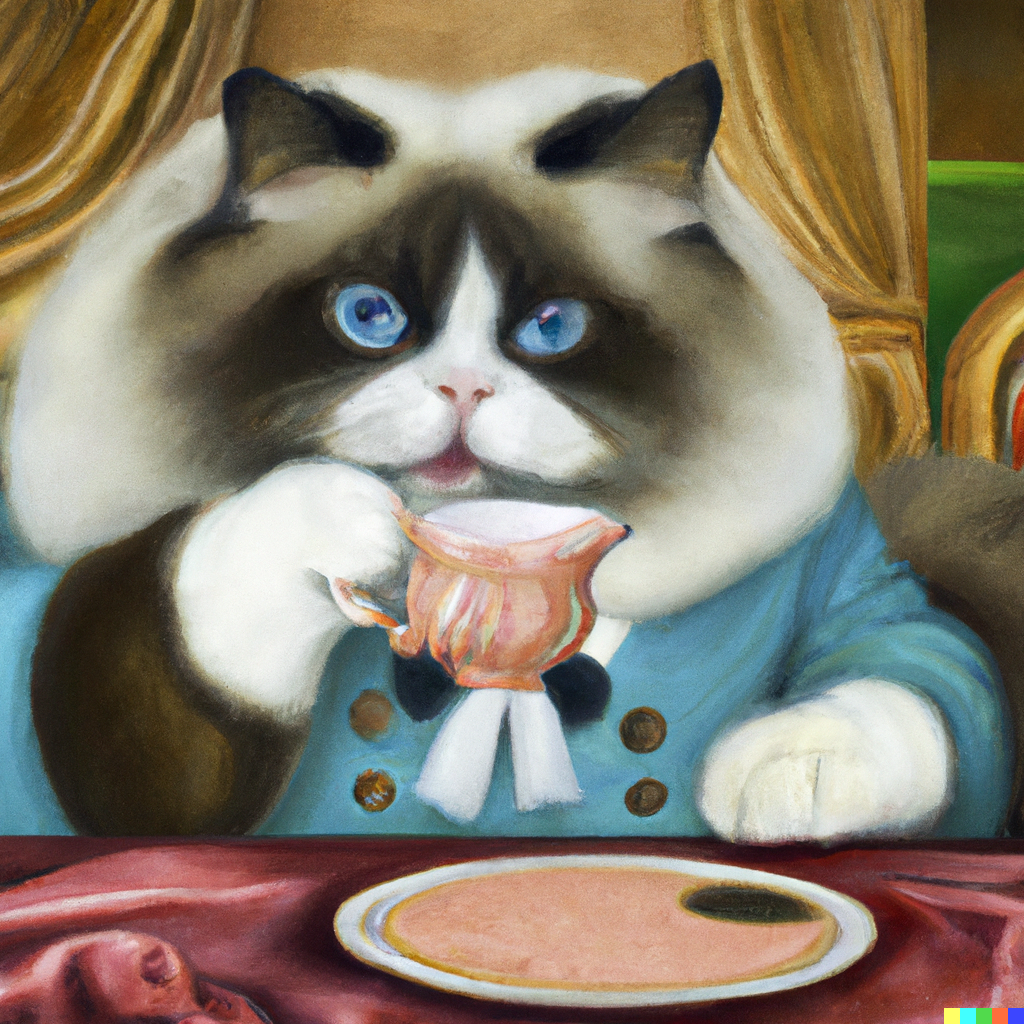
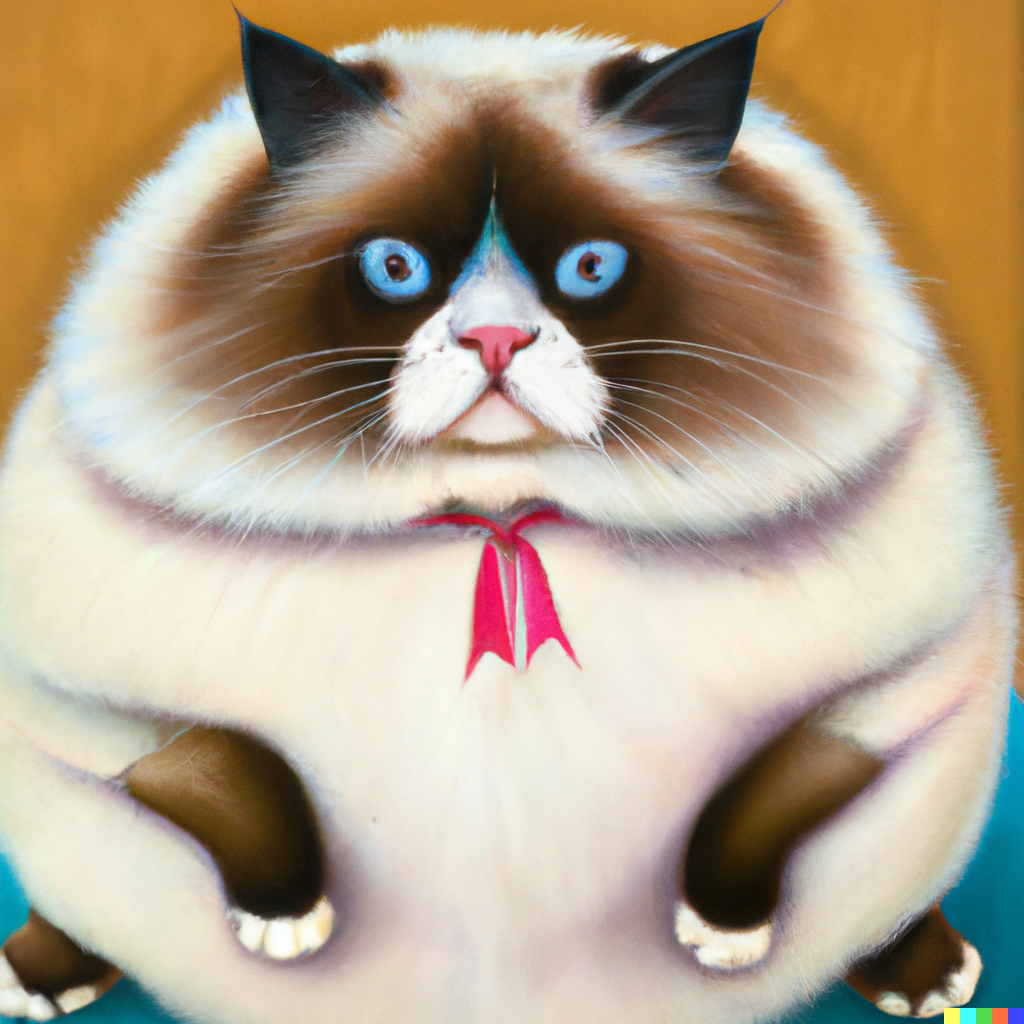
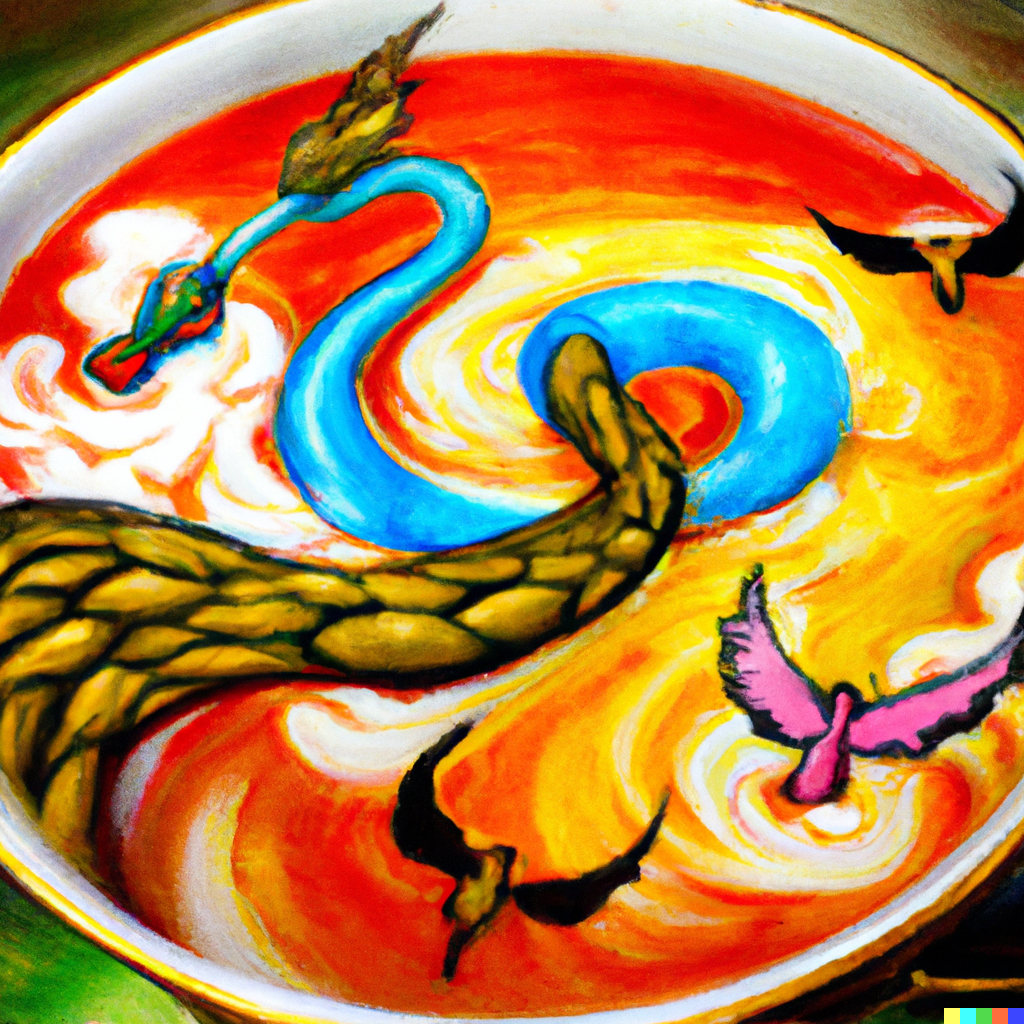
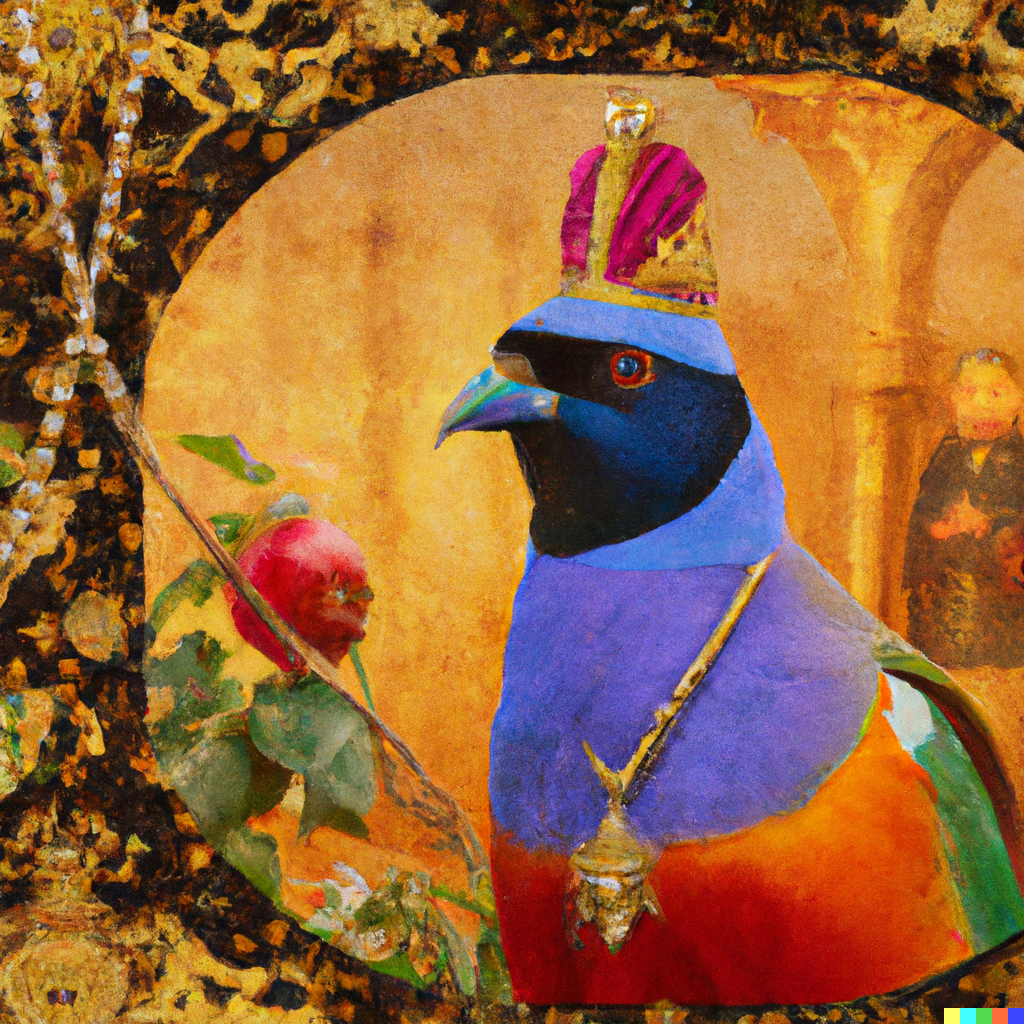
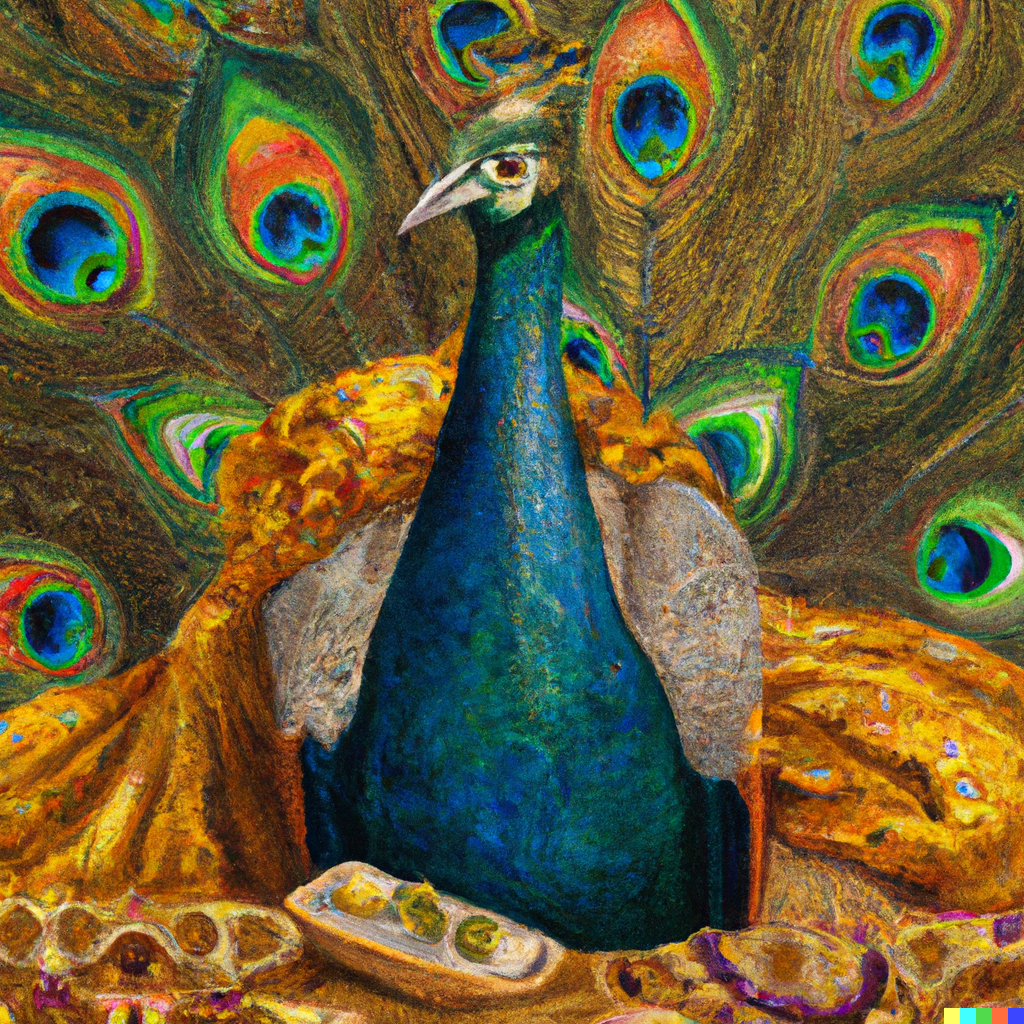
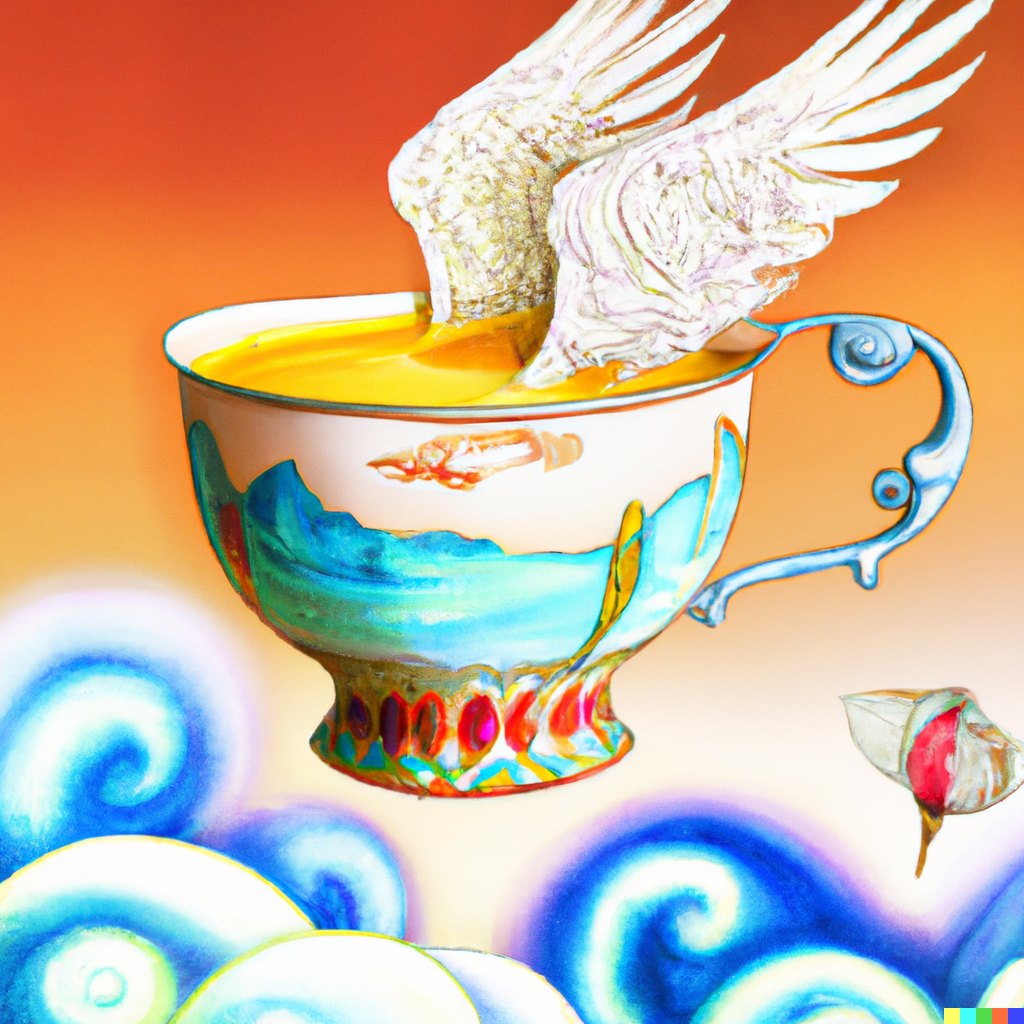
Here’s how it works. You insert a prompt–it can be super simple like “An arm chair in the shape of an avocado” (resulting image, above) to something crazy like the ones I recently tested: “Oil painting of a portrait of a Stork-billed Kingfisher with Mughal era gilded royal crown enclosed inside floral gilded frame that is surrounded by colorful Indian spices in the style of ancient Persian artist Behzad.” Within a few seconds the algorithm will generate four distinct images, one of which is the featured image of this post.
Working in media, I know this will help with quickly doing rapid, on the fly mocks for clients requesting logo reworks or helping to create interesting physical ads or designs to implement for print or web. In regards the more dystopian angle with AI stealing human jobs, I don’t think that is the case here.
Human creativity is at the center of this effort. Depending on your particular prompt, the results will vary—you can say “Blue sky” and that’s essentially what you’ll get or you can say “Sky with colorful clouds in charcoal in the style of Frida Kahlo” and you’ll get something fabulously different. Of course, you can have an AI do the inputs (OpenAI has a “surprise me” feature for the lazy ones, but let’s be honest, the real world use-case for such randomness is very limited). This tech is more of a tool in the techy-toolbox—kind of like what a camera is to a photographer or a search engine is to a person browsing the web. The end product depends on your input.



 Faisaling.com
Leave a comment