


Do any of you readers have a secret obsession with estate sales? Why do I suddenly hear crickets? For the few of you who aren’t already turned off by the topic, I must admit that you’re in for a really special treat. It will undoubtedly be a very random treat, to be completely honest—a treat that will deliver something akin to the unique joy you feel after you find a hidden gem at a weekend estate sale you had no plans to attend but attended anyway because of some pesky sign on a light post you saw from the corner of your eye that read “”MEGA” Estate Sale =====>” written on neon-green poster board paper.
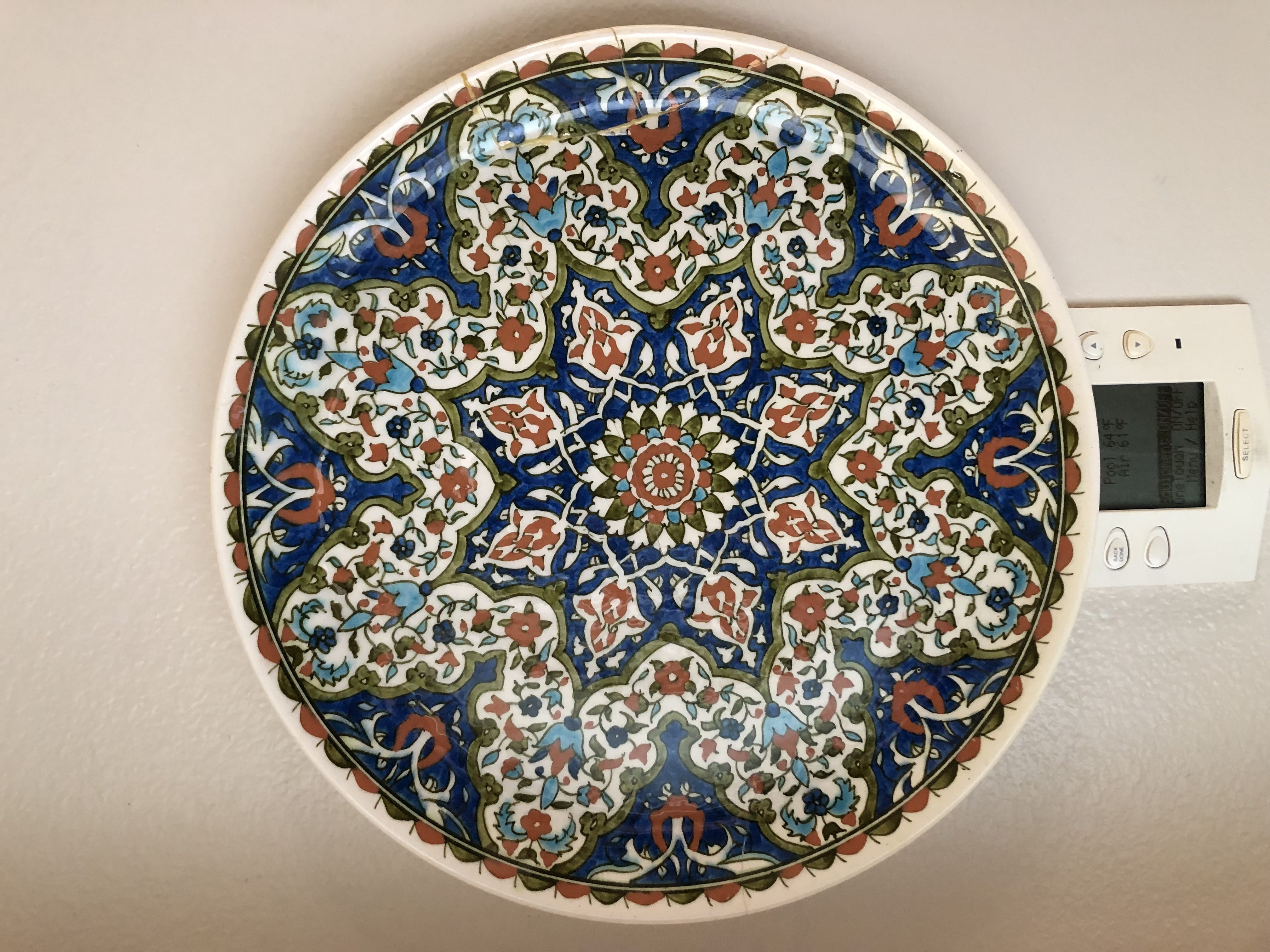
Before we move forward, for those of you coming from parts of the world where estate sales don’t happen as openly as the United States, I want to give you a short introduction to the phenomenon. (Your country might categorize the stuff found in American estate sales as used or old and I’m pretty sure you have stores who hawk this type of stuff in certain parts of the town.) It is where people (or maybe their descendants) open up their homes so that those who are frugally curious can fish through a lifetime of accumulation (technical term: “over-consumption“) of completely random “stuff” that makes up a person’s life. Now what exactly is all this “stuff,” you may be wondering? That’s the beauty of estate sale shopping—it all depends on your personal perspective.
If the most segregated hour in American life occurs during Sunday morning church, then I can confidently say that attending an estate sale following the sermon will give you the polar opposite experience in modern-day America. You’ll see fresh immigrants of all types searching for kitchen basics or decorative items they can’t afford at big-box stores. The stylish and wealthy will also be in attendance, except they are searching for authentic mid-century modern furniture or a rare collection of tea cups that the former owner purchased while traveling through France when times were good. And of course, don’t forget about the shrewd cheapskate. These latter people are estate sale staples. You’ll find them rummaging through the garage in search for heavily discounted household supplies, tools or landscaping paraphernalia or anything else that costs pennies on the dollar in comparison to normal store prices (and reasonably good quality). Sure, all these aforementioned people won’t exactly will be chatting it up with each other, but the fact that they are all under one roof at a given time is special nonetheless, especially during these divisive times.
This next bit will sound slightly creepy on the surface, but there is something special about visiting a random person’s home filled with equally random artifacts. There can be things that are super unique like a gilded hand used as a book-end bought while backpacking through Thailand and other things that are as bland as an unused bottle of soft soap in the garage. This is especially true for homes of people who were once well-traveled, loved to entertain friends and family and generally whom people would consider to have lived fuller-than-average lives. Regardless of whether you are in coastal California, random suburbs of greater Dallas or a small neighborhood in the Bible belt of South Carolina—visiting a random estate of such people will prove to you that Americans are pretty much the same all across the country, despite the myriad of differences on which popular media tends to turn its focus.
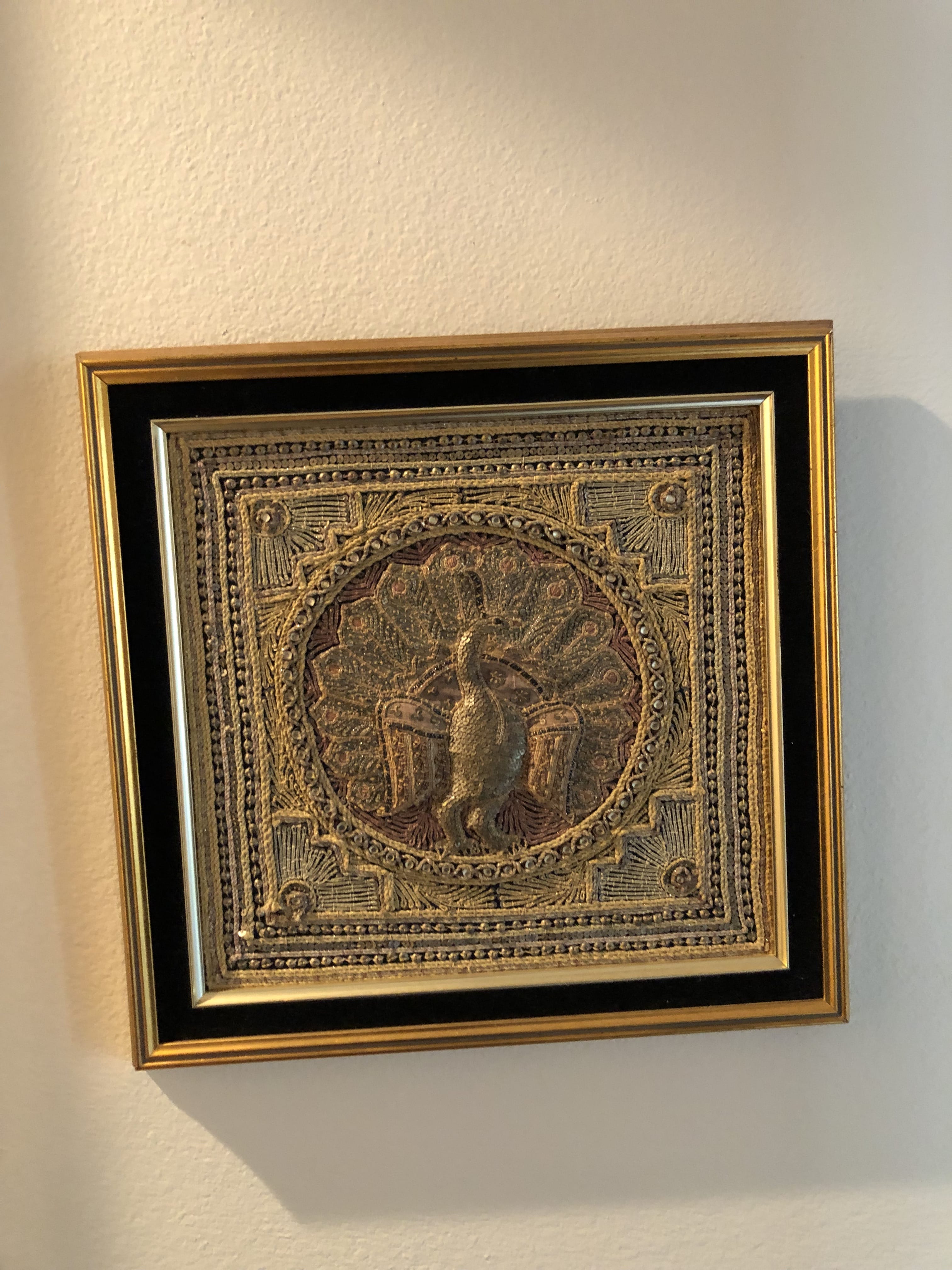


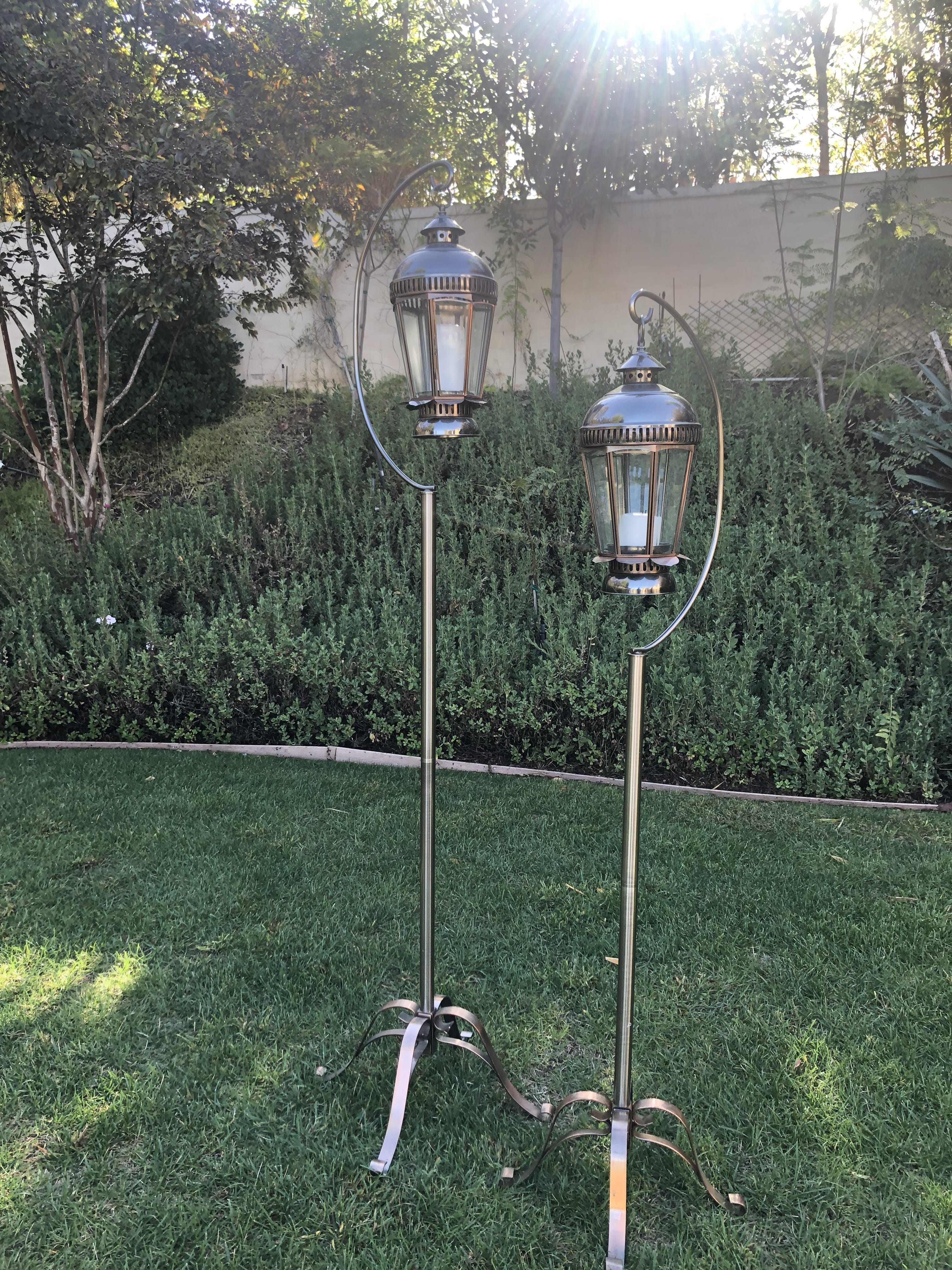
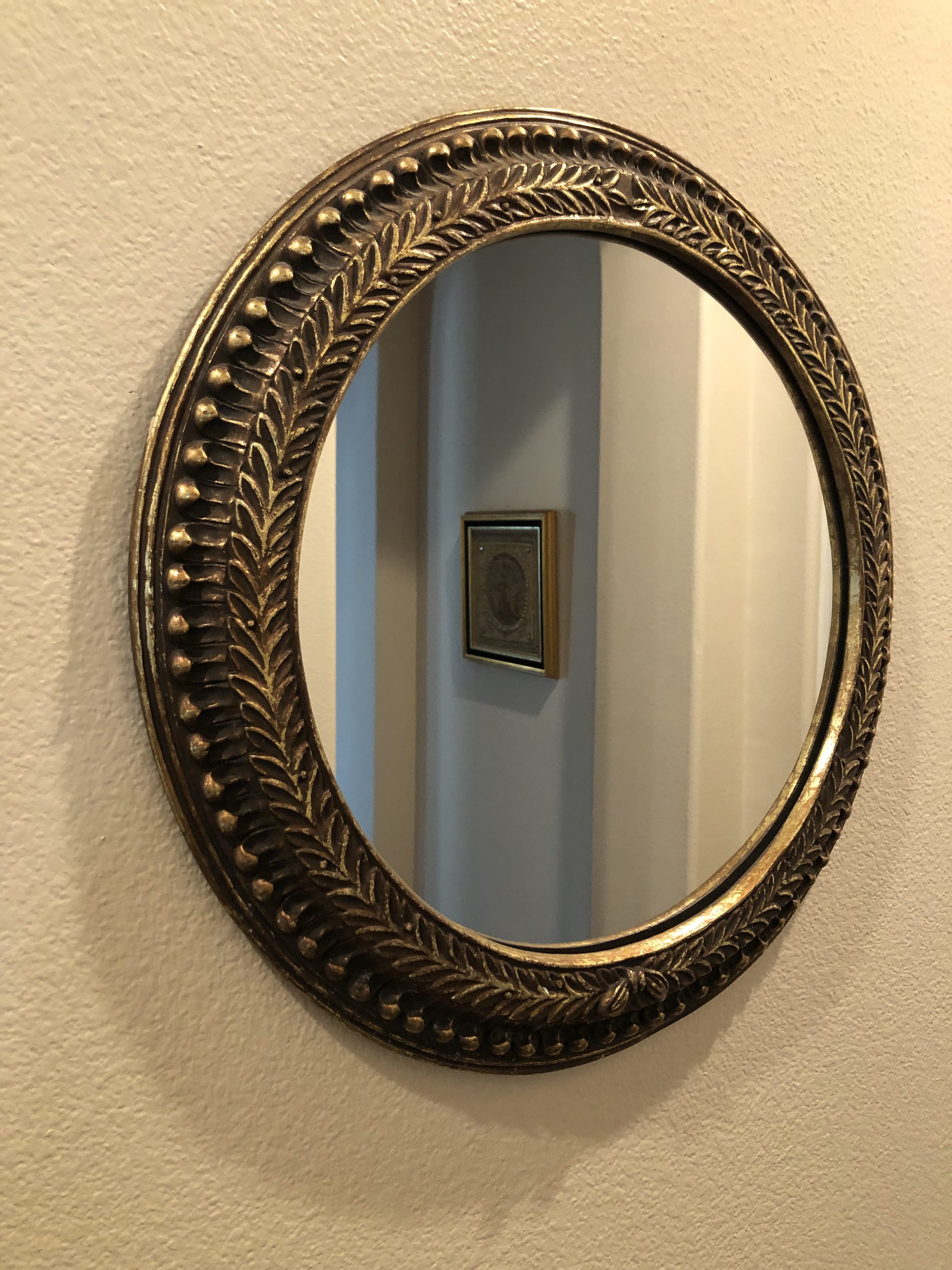





From a personal standpoint, I think estate sale shopping has something to do with a sense of adventure one feels–feelings somewhat similar to those you get while traveling outside your comfort zone. But I should note that it is a special type of traveling–not the ones featuring tour buses and pushy tour guides, all-inclusive-resorts or cruises or even ones where you are holding a long checklist of places to visit stuck inside of a fat Lonely Planet book. It’s one where efficiency and time management moves lower on the priority list—maybe to third or fourth. It’s where you allow yourself to aimlessly walk through unknown streets, all the while seeing new faces, admiring scribbles on tree trunks, colorful graffiti on walls, sampling interesting-looking desserts or snacks at random neighborhood bakeries not listed in travel guides or letting your eyes and fingers wander through gift stores that make you wonder how they stay in business or used book stores or even mom-and-pop antique shops selling random trinkets that only an American tourist might find worthwhile to purchase. I might be overly dramatizing the overall experience, but you get what I mean. Time slows down. You become more observant and you allow yourself to enjoy the moment. Some of my best estate sale experiences bring back these feelings.
All this talk about randomness that comes with estate sales finally brings me to what I feel is the most important tentacle of estate sales: off-the-algorithm shopping. Sure that’s a mouthful of words that doesn’t exactly roll off one’s tongue, but I think it’s an important & somewhat unique experience in these digital times. It goes without saying that everything in modern life can potentially be run by helpful (data-hungry) apps, algo-driven recommendation systems where sometimes goods & services are strategically more salient thanks to ad-space bidding technologies run by the likes of tech juggernauts Google, Facebook and the like.
If you haven’t guessed already, attending an estate sale comes without all this tech-fueled baggage. The estate sale doesn’t have your personal profile ID when you walk through the garage or front door, nor does it have your browsing history built over years of learning your likes and dislikes. The estate sale isn’t going to nudge you toward kitchen items over stuff that’s hidden away inside bedroom closets or living-rooms. Most importantly of all, there isn’t that annoying cart reminder email or a chime alerting you of something you liked the last time you briefly visited but left without buying anything or the last time you searched for something that was similar to what you just picked up. The general lack of algorithm-driven decision making adds to the adventure of randomness that is currently missing in our lives. Of course it is not for everyone because some people want a lot of those decisions made for them—possibly to save them time or the headache of making an extra decision they don’t care to make. They are happy to continue marching like ants with digital leashes around their necks, but there are countless others who take pleasure with a jolt of randomness from time to time in order to spice things up and possibly, keep life a little more interesting. Needless to say, I’m very serious about non-algo shopping and the thrills it will bring to the modern-day consumer–assuming, of course, these people can allow themselves to live on the random side of life for a few minutes during the day. It’s somewhat sad and depressing to put it so bluntly, but I think it is safe to say that life is becoming more and more predictable as technology takes hold of more parts of our lives, so I’m personally selling estate sales as a push against the larger trend of nudging people into making algorithm-driven decisions.
If all of the above failed to make you at least a little curious about local estate sales, then maybe looking at all this through an environmental and social lens might do the truck. This is where we must reveal the dirty truth of the consumer-centric world in which we live. I want to direct readers to the Wikipedia page of the Great Pacific garbage patch. Believe it or not, but this is a collection of floating trash of mostly microplastics under the surface of the ocean covering 620,0000 square miles and as of 2018 the weight of all this junk was estimated anywhere from 45-129 thousand metric tons of plastic. Absolutely insane, right? If there is any reason to consume less, this might be it. Let’s face it, there are too many things out there already, so what’s wrong with saving some money to purchase gently used things and help the environment at the same time. Oh yeah, let’s not forget that there’s also the North Atlantic garbage patch that is floating around, if the pacific one isn’t your thing. If you still want to buy a brand new fill-in-the-blank-here at the local box store, then there really is no hope for the future.
So, next time you see that hastily-made “AMAZING Estate Sale, NEXT RIGHT ====>>>” sign, take the random plunge—at least for a few minutes—because you never know what you’ll find that you never knew you needed or even, who you might run into! Cheers to your next great estate sale find!
 Faisaling.com
Leave a comment