
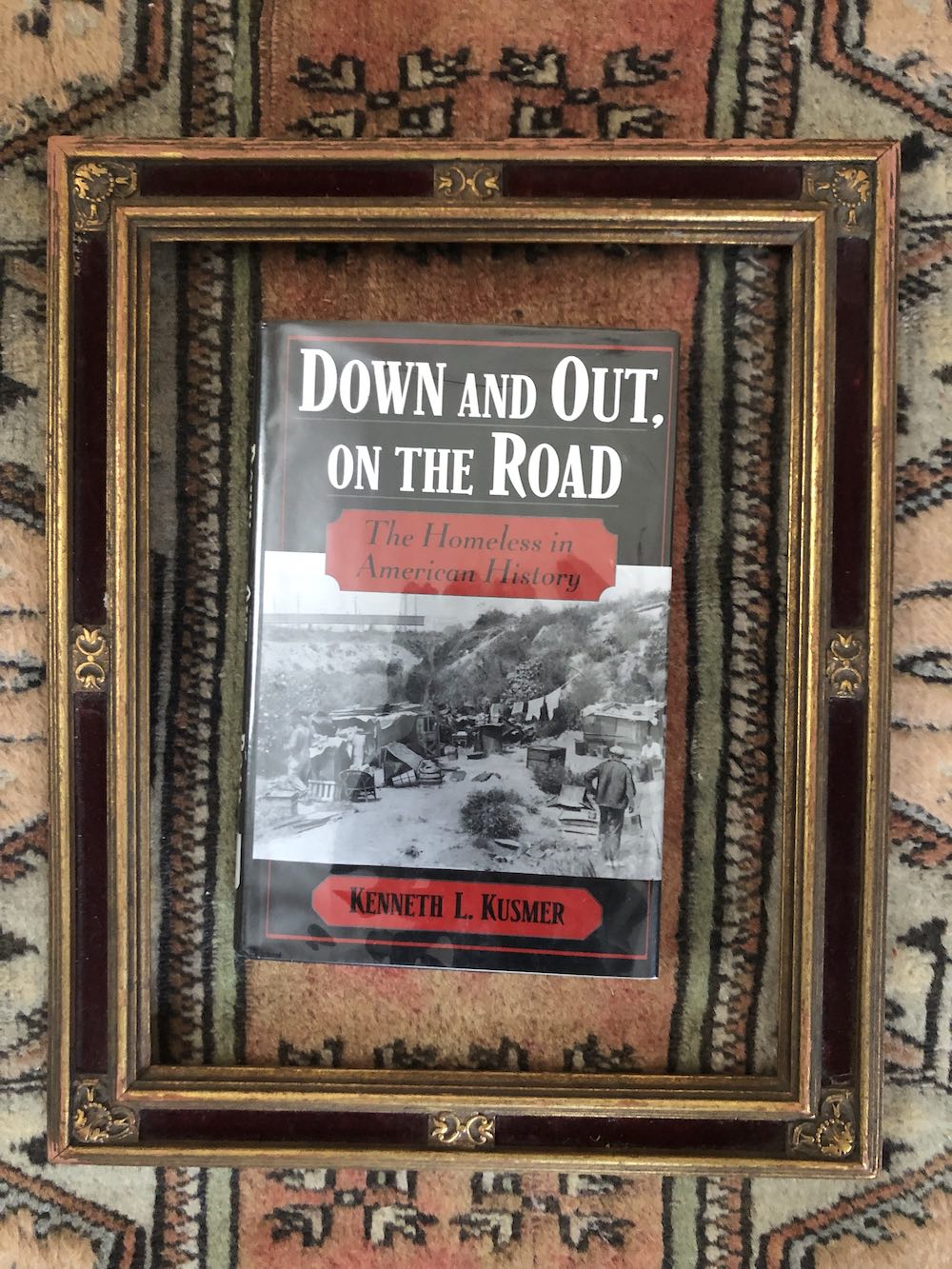
“Although their problems are more severe, however, destitute people living on the streets and in homeless shelters are not so different from the rest of us. They never have been. Any genuine effort to end homelessness must begin with a recognition of that essential truth.”
Page 247
That, my friends, is how historian Kenneth Kusmer ends his epic book on homelessness in America. It is simultaneously a chilling summary of the problem and the Mt. Everest-esque solution that has ailed American society even before the nation’s founding. The book was first published back in 2002, but its contents are as relevant as ever in 2021.
The cynic inside me wants to think that ridding homelessness in a heavily capitalistic society is almost laughably impossible. Psychologically, homelessness is a different breed of social ailment–or at least that is how it is treated in American society. Excuse my sarcasm, but my only guess as to the reason why it is this way is because homeless people aren’t exactly able to gather all their excess funds from being homeless and pay top-notch D.C. lobbyists to fight for them in the halls of Congress. There’s a reason why a long list of other societal issues (I’m referring to gun ownership rights, animal & environmental rights, abortion, etc.) are seemingly orders of magnitudes more important to resolve than finding proper housing and healthcare for more than half a million people—mostly American citizens, mind you.
This book will take considerable care and patience on behalf the reader because it is written by a highly qualified academic and not necessarily a NY Times Bestselling author like Michael Lewis. Having said that, Kenneth Kusmer knows his facts because he has been swimming in the research for years. He comes from a place of tremendous knowledge and you must allow him, as any curious reader would, to take you on this very important journey. It is as much a book about history of homelessness in America as it is about history of capitalism in America. From time to time, you might have to use your “reader machete” in order to slice through academic jargon or re-read certain sections to properly absorb the information, but it is an experience that will leave you better off in the end.
What Kusmer’s book slowly accomplishes is that it puts all that we know about homelessness (probably through articles in major newspapers or clips from various news media channels) in context of American history at large. There’s a reason for why we perceive homelessness a certain way. There are reasons why certain public laws are in place. And also, there’s even a historical reason why certain Americans are more sympathetic toward the homeless, while others can walk by groups of them without batting an eye.
I will now proceed to plug the book by using direct quotes to give you a taste of Kusmer’s worthwhile read.

“The class dimension of homelessness presented yet another cause for anxiety. The tramp came into prominence at the same time that freewheeling entrepreneurs like Jay Gould and Jim Fisk were amassing their ill-gotten gains. Both types seemed to indicate a betrayal of the ideal of a society where there was a direct relationship between work done and benefits received.”
Page 8
“Prior to WW1, a common theme in the literature on the homeless was that they were foreigners who had not assimilated American values. Initially, there was an element of truth in this image. In the mid-19th century, the foreign-born, especially the impoverished Irish, made up a disproportionate share of the homeless population.”
Page 8
“By the early 20th century, however, this stereotype was out of step with the facts. An increasing majority of the homeless were native-born, and few of the new immigrants from the southern and eastern Europe ever became tramps or beggars. Whatever its causes, homelessness was an indigenous phenomenon, not something imported from outside.”
Page 9
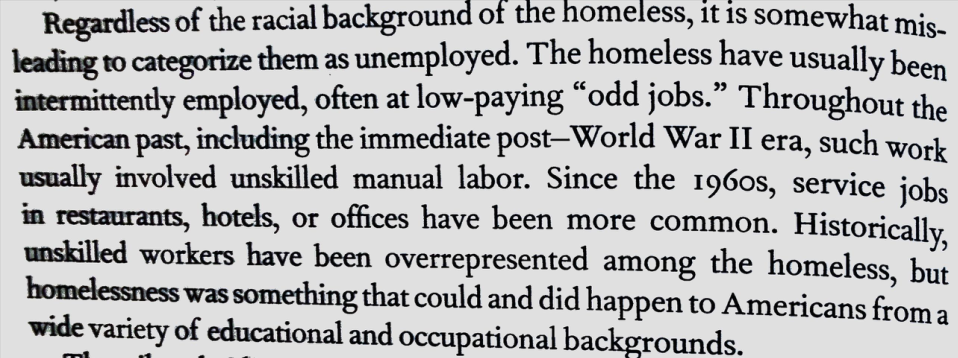
This next excerpt comes from page 16 and shows that homeless in NYC has been around since the nation’s founding. By some estimates NYC has around a fifth of all sheltered homeless in the United States.
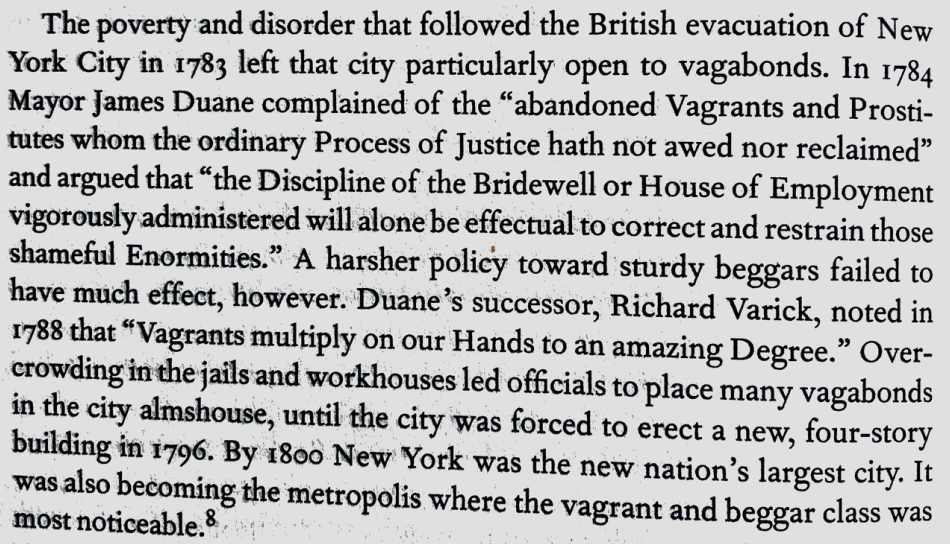
“The rise of the institution of slavery to prominence by the early 1700s changed all that. It effectively harnessed a permanent proletariat to the labor system in a way that was impossible in England. This, coupled with the social and political elevation of the smaller white landowners, meant that the southern colonies (and later, states) would have much less vagabondage than provinces to the north.”
Page 16
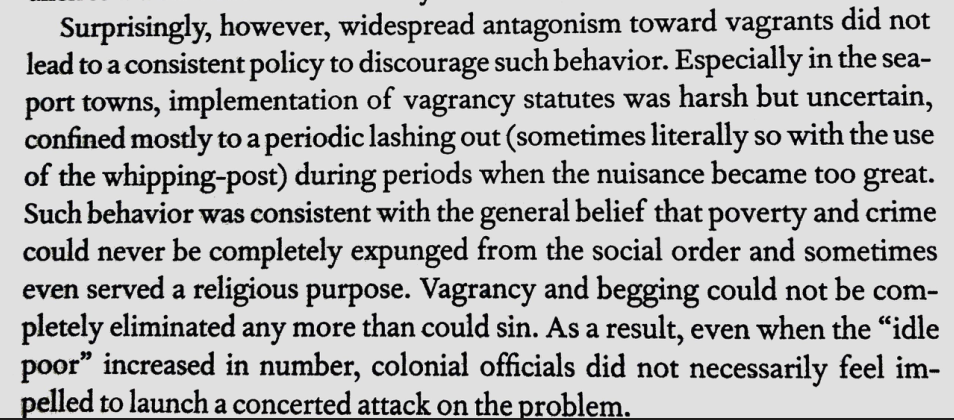
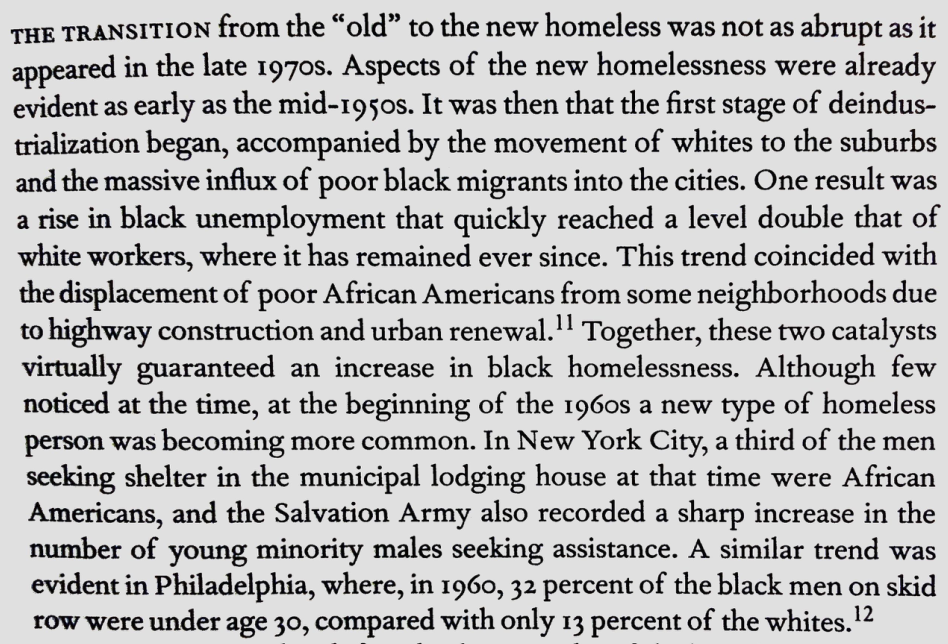
I found the information pertaining to systemic racism directed against African-Americans very interesting and I made sure to take extensive notes for future study and reference. Here’s one from page 24.
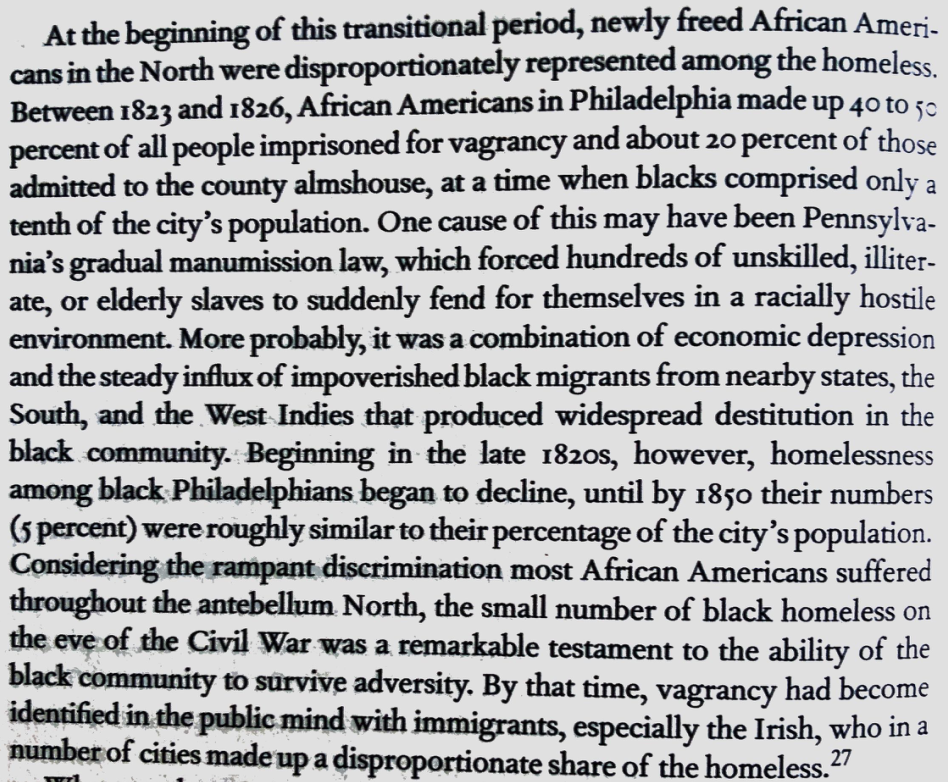
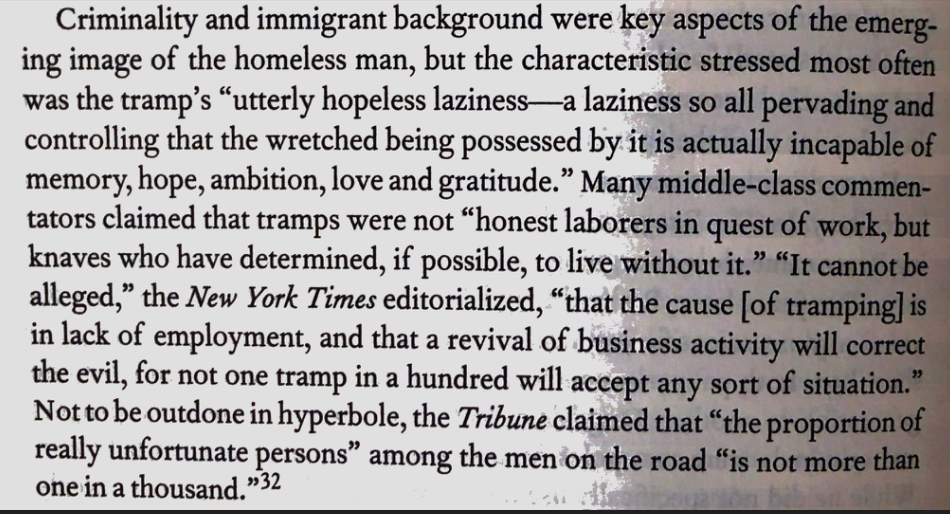
I’m sad to say that the media has blood on its hands when it comes to the treatment of homelessness. The media’s messaging also molded the general public’s perception of the homeless population.
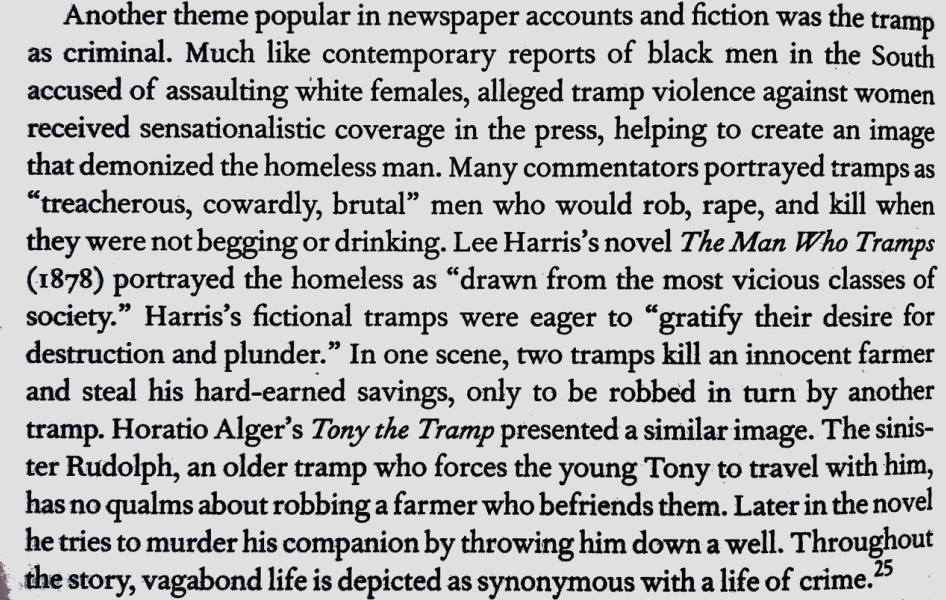
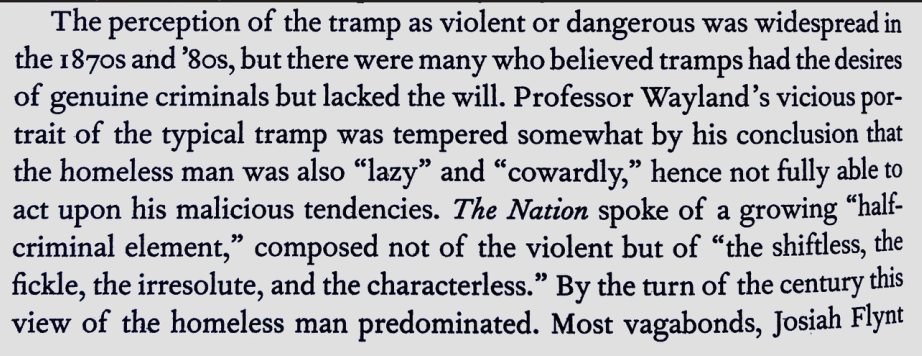
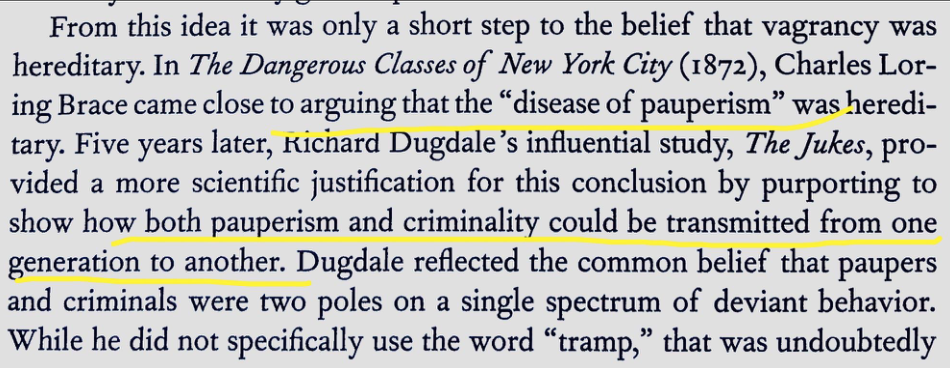
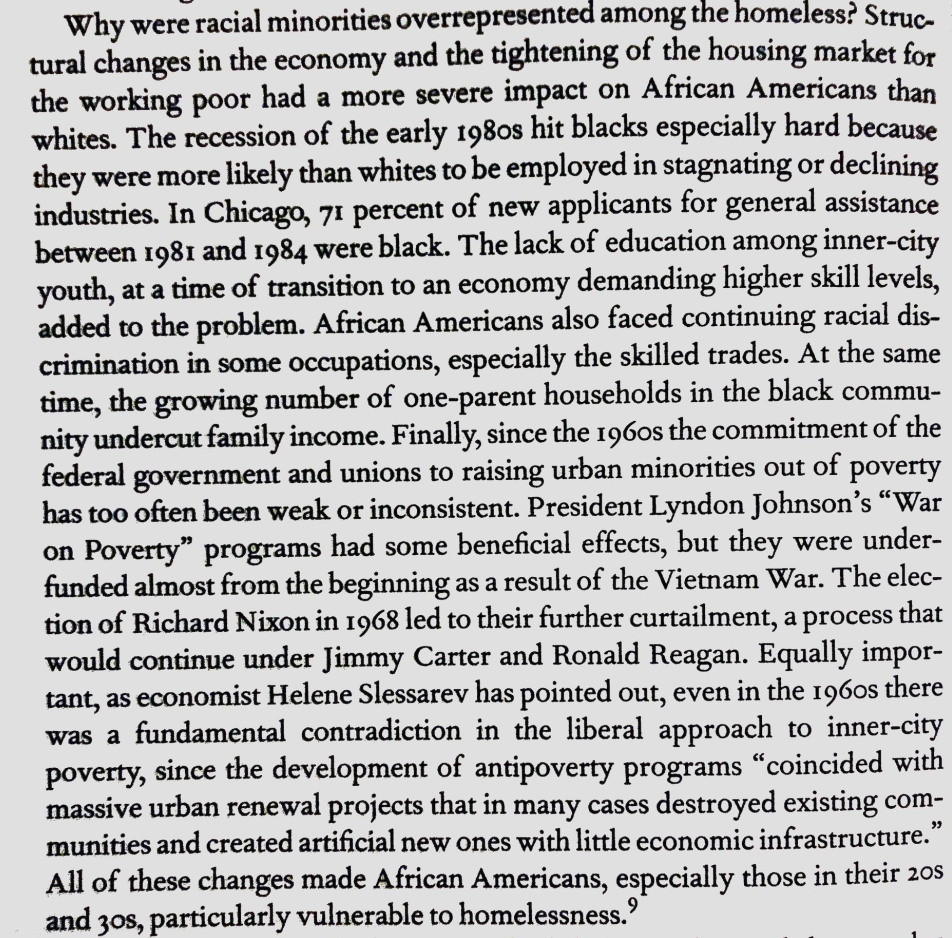
Again, I can go on and on about the history of homelessness, but I think readers should get a copy of Mr. Kusmer’s book and spend a few weeks chewing up the information packed inside. My main goal in the reading was to get a stronger grasp of how minority communities—especially African-Americans—make up a substantial percent of homeless community in America. A statistic I read today in the LA Times puts the African-American population in the city at 8%, but the African-American segment of the L.A. homeless population stands at 34%!
 Faisaling.com
Leave a comment